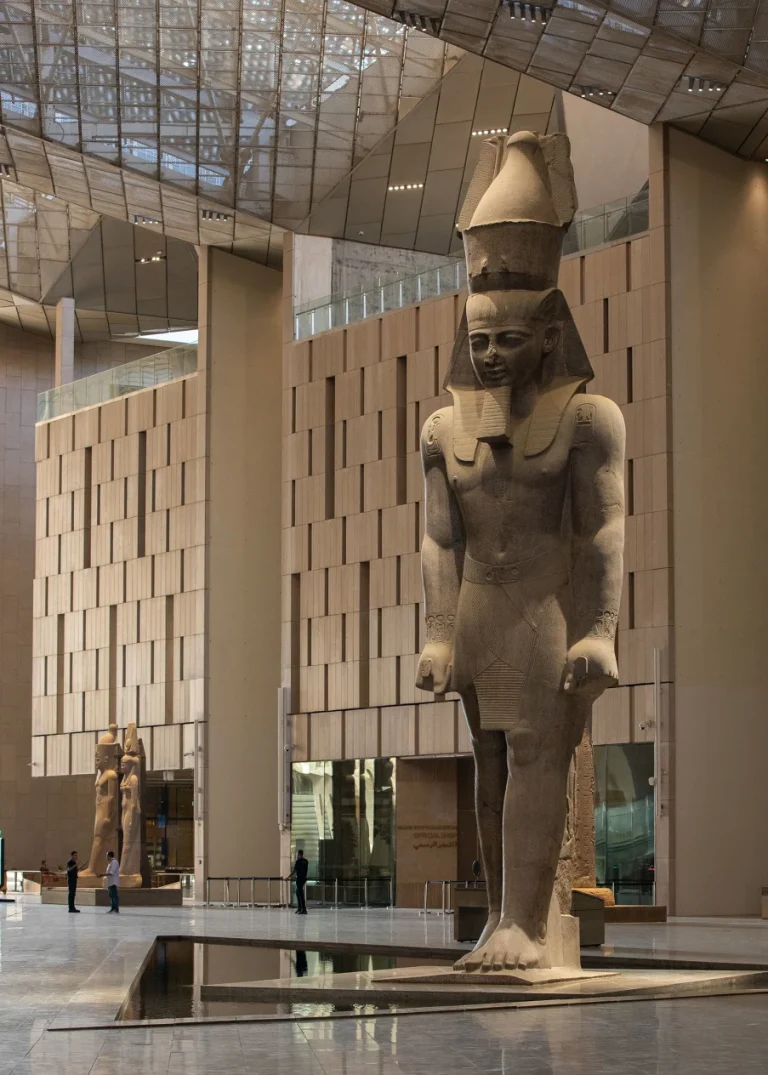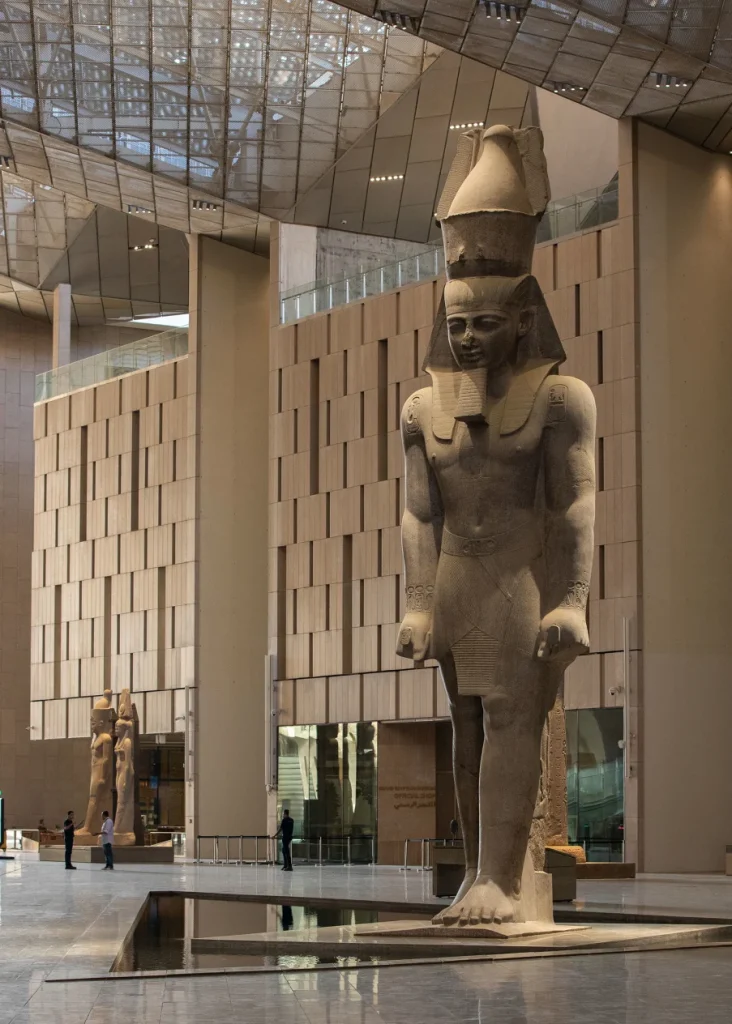
After more than two decades of delays and a budget that soared past $1 billion, the Grand Egyptian Museum (GEM) has officially opened. The project is of such national importance that the Egyptian government declared a public holiday to mark its inauguration.The museum's design was the surprise winner of an international competition in 2003, created by the then little-known Irish firm Heneghan Peng Architects. Architect Róisín Heneghan recalled that the initial phone call informing them they had won was so unexpected she thought it was a prank.The path from that winning design to completion was long and fraught with challenges. The project endured Egypt's 2011 revolution, a military coup, and the COVID-19 pandemic. Heneghan, now 62, was not involved in the construction supervision and sometimes tracked progress via photographs and Google Earth. Despite the wait and some design changes, she believes the result was worth it, noting that moving the museum's incredibly fragile artifacts required careful time.
The GEM is now the world's largest museum dedicated to a single civilization. Its vast collection of over 100,000 artifacts includes millennia-old papyrus scrolls, textiles, sarcophagi, and mummified remains. A central highlight is a gallery displaying all 5,000 items recovered from the tomb of Tutankhamun.The architectural design pays deliberate homage to its iconic neighbor, the Pyramids of Giza. The building's facade uses pyramidal motifs in concrete, glass, and limestone. A key feature is a six-story grand staircase that leads visitors past statues, culminating in an unobstructed view of the pyramids about a mile away.The architects aimed to be deferential to the ancient wonder. The slope of the museum's roof is carefully aligned to point toward the peak of the Great Pyramid without visually competing with it. Heneghan described the approach as giving the museum prominence "in the horizontal, not the vertical."Despite the career-defining nature of the project, Heneghan stated that if asked to design it again today, her fundamental approach would remain the same, standing by the strength of the
About The Author