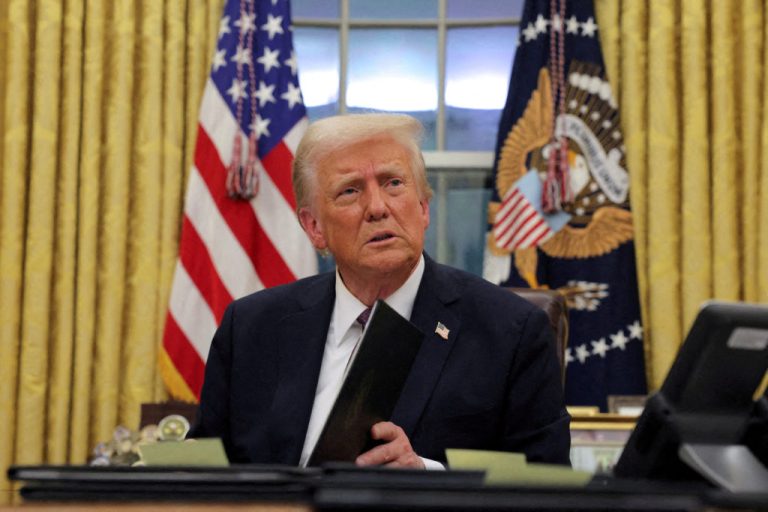
After 43 days of the longest government shutdown in U.S. history, President Donald Trump has signed a temporary funding measure, bringing relief to federal employees, travelers, and millions of Americans who rely on government programs. The stopgap bill keeps government operations running at current fiscal year 2025 levels through January 30, giving lawmakers more time to hammer out a longer-term budget for 2026.
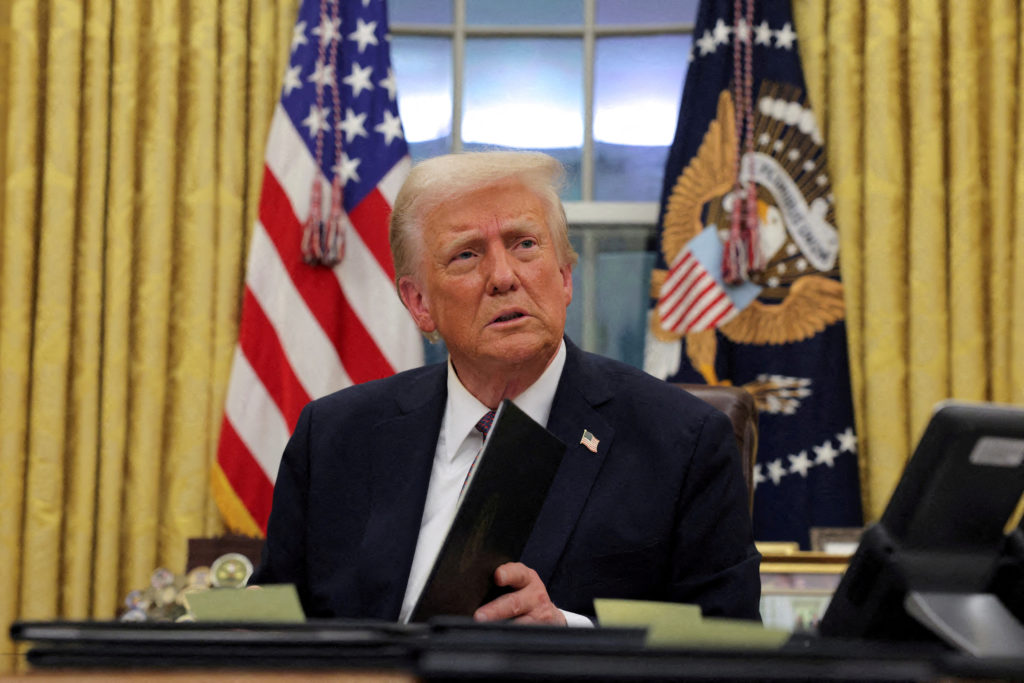
The shutdown had caused widespread disruptions. Federal workers missed paychecks, air travel was delayed due to understaffed air traffic control, and many government services were temporarily put on hold. With the signing of this legislation, normal operations are set to resume, and employees will receive back pay for the time they were out of work.
The bill also secures funding for the Supplemental Nutrition Assistance Program (SNAP), which helps more than 42 million low- and no-income Americans buy groceries each month. It reverses the layoffs that were set in motion earlier and ensures that government employees can return to work without worrying about lost income.
The political stalemate that triggered the shutdown stemmed from disagreements over healthcare policy. Republicans, including Trump, claimed Democrats were pushing to provide healthcare to undocumented immigrants and wanted to undo parts of Trump’s “big, beautiful bill” that limited Medicaid eligibility for non-citizens. Democrats argued their aim was to extend key Affordable Care Act subsidies that are set to expire at the end of 2025.
The temporary measure signed by Trump does not extend those subsidies, but Senate Majority Leader John Thune has pledged a vote in December to continue them. For now, federal workers are back on the job, airports are slowly returning to normal, and the immediate hardships caused by the shutdown are beginning to ease.
About The Author